Autonomous systems are being adopted across different industries: agriculture, infrastructure, logistics, public safety, industrial automation, and research. While vehicles, sensors, and environments differ, engineers encounter a common problem: missions must remain reliable as hardware, conditions, and operational constraints change.
This has led to the growing adoption of mission-centric design, where autonomy is structured around explicit objectives, constraints, and system states, rather than tightly coupled to a specific vehicle or deployment.
What is mission-centric autonomy?
In mission-centric systems, a mission is defined as:
- A clear objective
- Explicit constraints (safety, timing, coverage)
- Observable states and transitions over time
Execution details, such as vehicle type, sensor configuration, or control implementation, are treated as variables rather than fixed assumptions.
This approach allows teams to:
- Test mission logic independently from hardware
- Reuse missions across platforms and environments
- Reason about system behavior before deployment
Agriculture
Operational reality
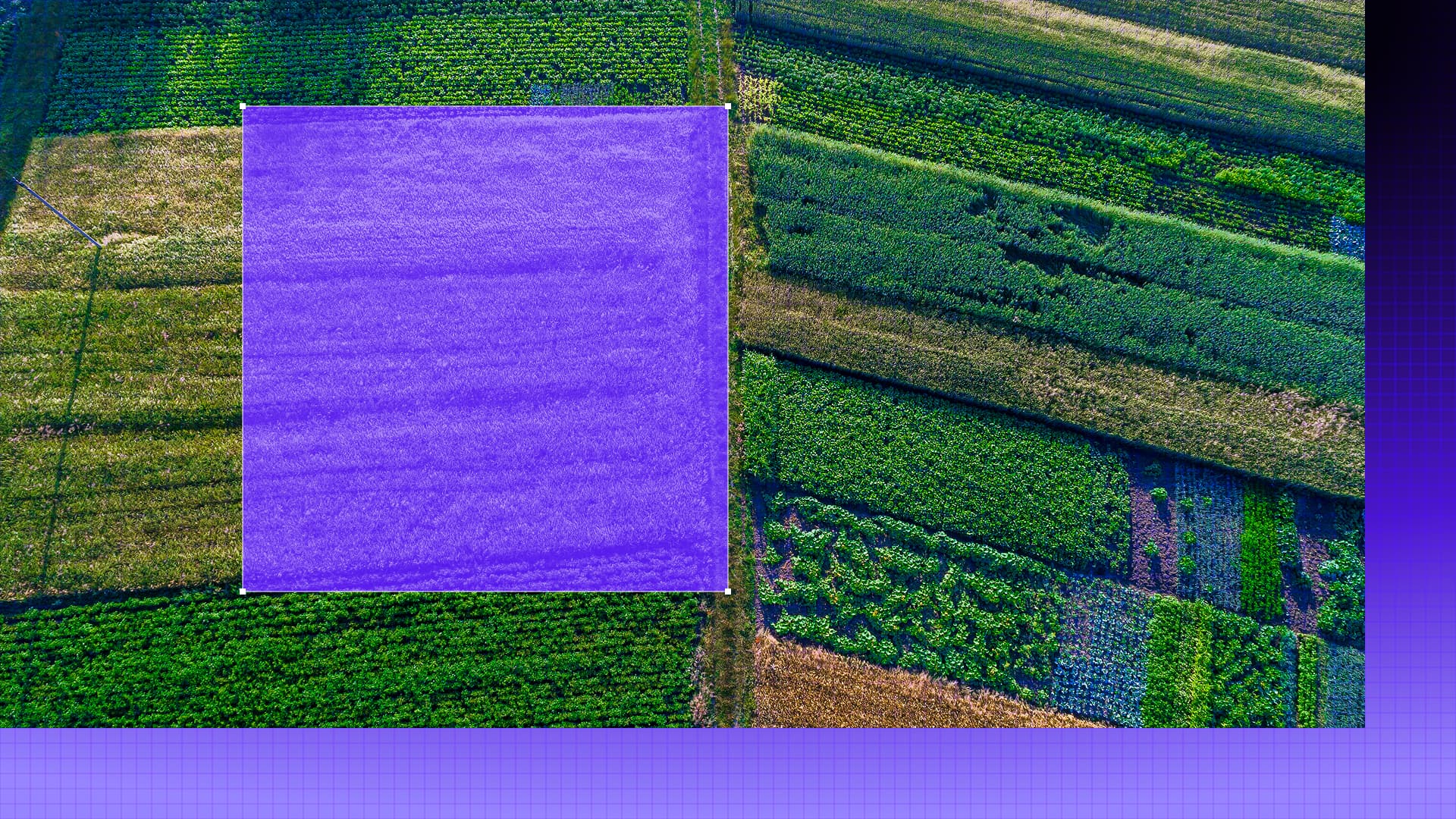
Agricultural autonomy depends on consistent data collection over long time horizons. Fields change slowly, while equipment, sensors, and operational schedules change frequently.
One-off flights or manually tuned behaviors produce data that is difficult to compare across seasons.
Why mission-centric design applies
By defining missions around coverage patterns, timing, and data requirements:
- The same scouting or mapping mission can be repeated across fields
- Data collection remains consistent even as hardware changes
- Long-term analysis reflects field conditions, not operational variance
This enables longitudinal studies of crop health, yield, and environmental impact.
Infrastructure inspection
Operational reality
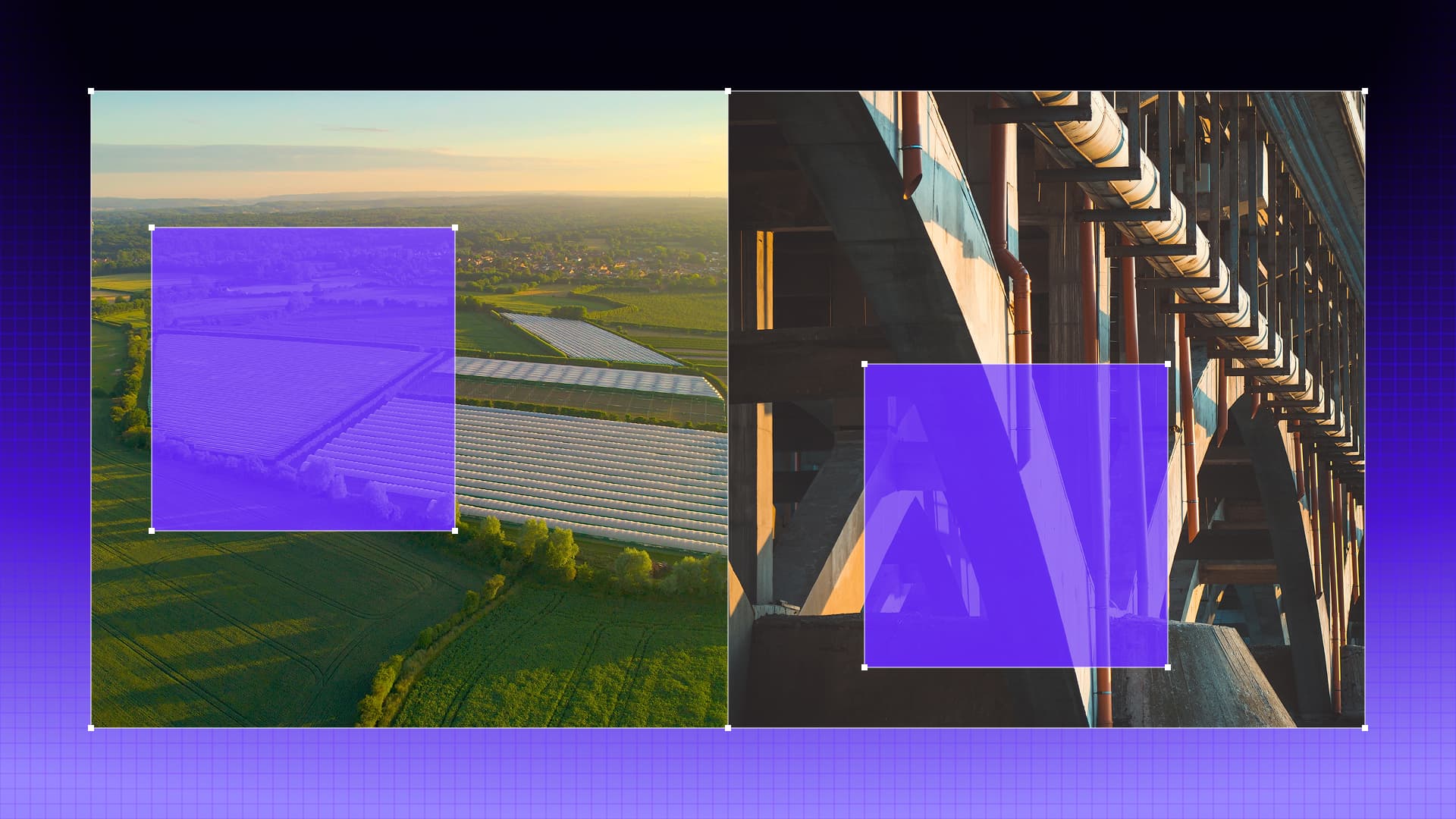
Inspection workflows require repeatability and comparability. If paths, speeds, or sensor timing vary between runs, it becomes difficult to distinguish real structural changes from operational noise.
Why mission-centric design applies
Mission-centric inspection encodes:
- Routes as repeatable objectives
- Safety boundaries as enforced constraints
- Execution states as observable signals
This ensures that inspection data can be reliably compared across time, locations, and platforms.
Logistics and warehousing
Operational reality
Warehouses and fulfillment centers are dynamic environments with mixed fleets, changing layouts, and evolving workflows.
Hard-coded behaviors tied to a single robot model do not scale.
Why mission-centric design applies
By separating mission intent from vehicle execution:
- Inventory scanning or patrol missions can be reused across robots
- Telemetry remains consistent even with heterogeneous fleets
- Operations scale without rewriting logic for each platform
Mission definitions become stable, even as environments change.
Public safety and emergency response
Operational Reality
Emergency response missions operate under uncertainty, time pressure, and regulatory oversight. Decisions must be traceable after the fact.
Why mission-centric design applies
Mission-centric systems allow teams to:
- Define objectives and constraints before deployment
- Observe mission execution as it unfolds
- Retain structured records for post-mission analysis
This supports both rapid deployment and accountability which play a crucial role in this industry
Industrial automation
Operational reality
Industrial sites often span multiple locations with similar workflows but different physical layouts and equipment.
Consistency across sites is difficult when autonomy is implemented ad hoc.
Why mission-centric design applies
Mission-centric design standardizes:
- Inspection and monitoring behavior
- Safety constraints
- Integration points with existing systems
This reduces operational overhead and improves predictability across facilities.
Looking ahead
As autonomy expands into real-world operations, mission definition becomes foundational infrastructure.
Mission-centric design enables:
- Reuse across platforms
- Validation before deployment
- Consistent execution under changing conditions
Rather than optimizing for a single vehicle or scenario, teams increasingly optimize for mission reliability over time. Explore more benefits & real use case of mission-centric platform here.