Key takeaways
- Context: Traditional robotics development often centers on the vehicle, leading to integration challenges as fleets grow.
- Concept: Mission-centric robotics shifts the focus toward the task outcome, using a platform layer to decouple mission logic from specific hardware.
- Impact: This approach allows for greater software reuse, easier management of diverse fleets, and a more direct path to operational scale.
Understanding mission-centric robotics
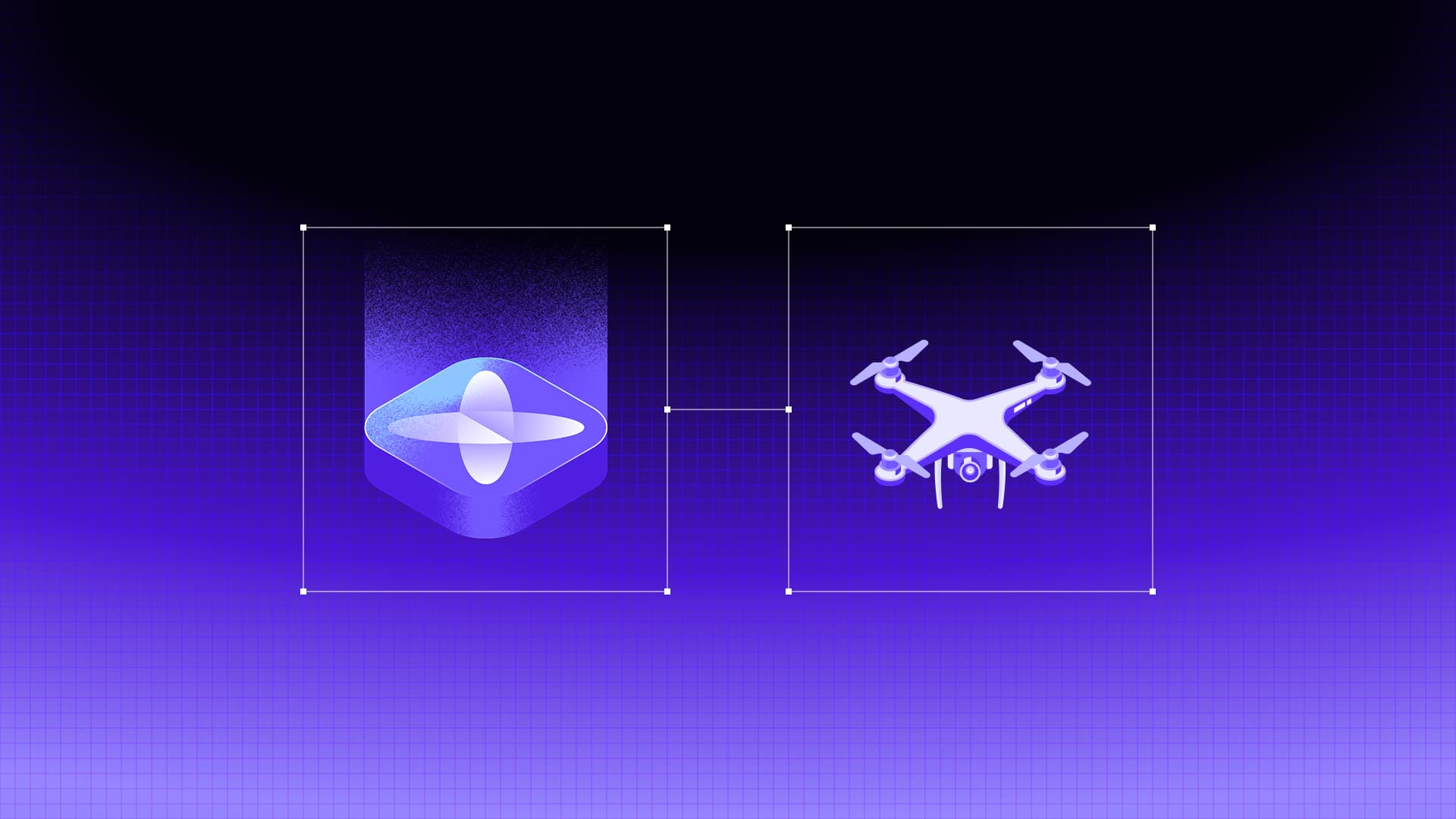
In the drones/robotics industry, the transition from prototype to large-scale operation often reveals a fundamental architectural challenge. Historically, development has been vehicle-centric, where software and mission logic are closely integrated with the specific hardware of a drone or robot.
While effective for specialized tasks, this model can create friction when organizations attempt to scale or diversify their hardware.
The vehicle-centric context
In a vehicle-centric approach, the physical machine is the primary focus. Development cycles often involve:
- Software tied to specific hardware configurations.
- Mission logic embedded within the vehicle's control systems.
- Increased complexity when introducing new robot models into an existing fleet.
As operations expand, the need for a more flexible architecture becomes clear.
The shift to mission-centric platforms
Mission-centric robotics prioritizes the mission outcome - the data collected, the asset inspected, or the task completed. In this model, the Platform serves as an essential abstraction layer between the objective and the execution.

By adopting a platform-based approach, teams can achieve:
- Hardware-Software Decoupling: Mission logic is developed independently, allowing the same workflow to run on different types of robots or drones.
- Operational Consistency: Platforms provide a standardized way to define, deploy, and monitor missions, regardless of the underlying hardware vendor.
- Scalable Workflows: Developers can focus on refining mission performance and data quality rather than hardware-specific troubleshooting.
The shift is now
The transition toward mission-centric robotics is more than a technical shift; it is a fundamental change in how we perceive the value of autonomy. In an era where hardware is becoming increasingly capable and diverse, the true competitive advantage no longer lies in the "box" itself, but in the intelligence and scalability of the operations it performs.
As the industry approaches this inflection point, the most successful organizations will be those that stop managing robots, and start orchestrating missions. For teams building in this space, now is the time to begin treating missions - not machines - as the core unit of progress.