In late October 2025, members of the SkyTrack team attended ROSCon 2025 in Singapore, followed by the ROS-Industrial AP Summit.
Our purpose was not to announce products or roadmaps, but to listen closely to how the ROS and open robotics community is evolving - technically and operationally.
This post summarizes what stood out to us as builders focused on autonomous missions.
A clear shift toward mission - level thinking
Across talks and hallway conversations, one pattern was consistent: the community is moving beyond isolated components toward mission-level workflows.
Rather than focusing solely on individual nodes, drivers, or algorithms, many sessions addressed how perception, planning, control, and execution connect as a system. The emphasis was not novelty, but integration of how pieces behave together over time.
This reflects a broader maturity in the ecosystem. As ROS-based systems move from labs to operations, mission clarity and execution reliability become as important as algorithmic performance.
AI Integration is advancing - but still fragile
AI and learning-based components featured prominently at ROSCon 2025. However, the tone was notably pragmatic.
Speakers highlighted:
- The difficulty of deploying trained models reliably on moving hardware
- Challenges in connecting learning systems with planners and controllers
- The need for repeatable validation before real-world use
Rather than positioning AI as a solved problem, the discussions made it clear that deployment workflows remain complex. Tooling is improving, but integration effort still dominates early project timelines.
Interoperability and coordination are no longer optional
Another strong theme was interoperability.
Open-RMF, multi-robot coordination, and infrastructure integration (doors, elevators, shared spaces) appeared frequently—especially in talks related to hospitals, logistics, and campuses. These systems require robots to interact not only with their own software stack, but with external services and other machines.
This reinforces the idea that autonomy today is less about single robots and more about systems operating in shared environments.
Simulation as a shared validation layer
Simulation appeared repeatedly, not as a replacement for field testing, but as a common validation layer.
Teams discussed using simulation to:
- Validate mission logic before hardware availability
- Reproduce failures consistently
- Align teams around expected system behavior
The message was clear: simulation is increasingly treated as an early execution environment, not just a visualization tool.

Regional perspective from the ROS-industrial AP summit
The ROS-Industrial AP Summit added valuable regional context.
Case studies from Singapore and the broader Asia-Pacific region highlighted:
- Real deployments in controlled but operational environments
- Government-supported testbeds bridging research and industry
- A strong focus on talent development and open collaboration
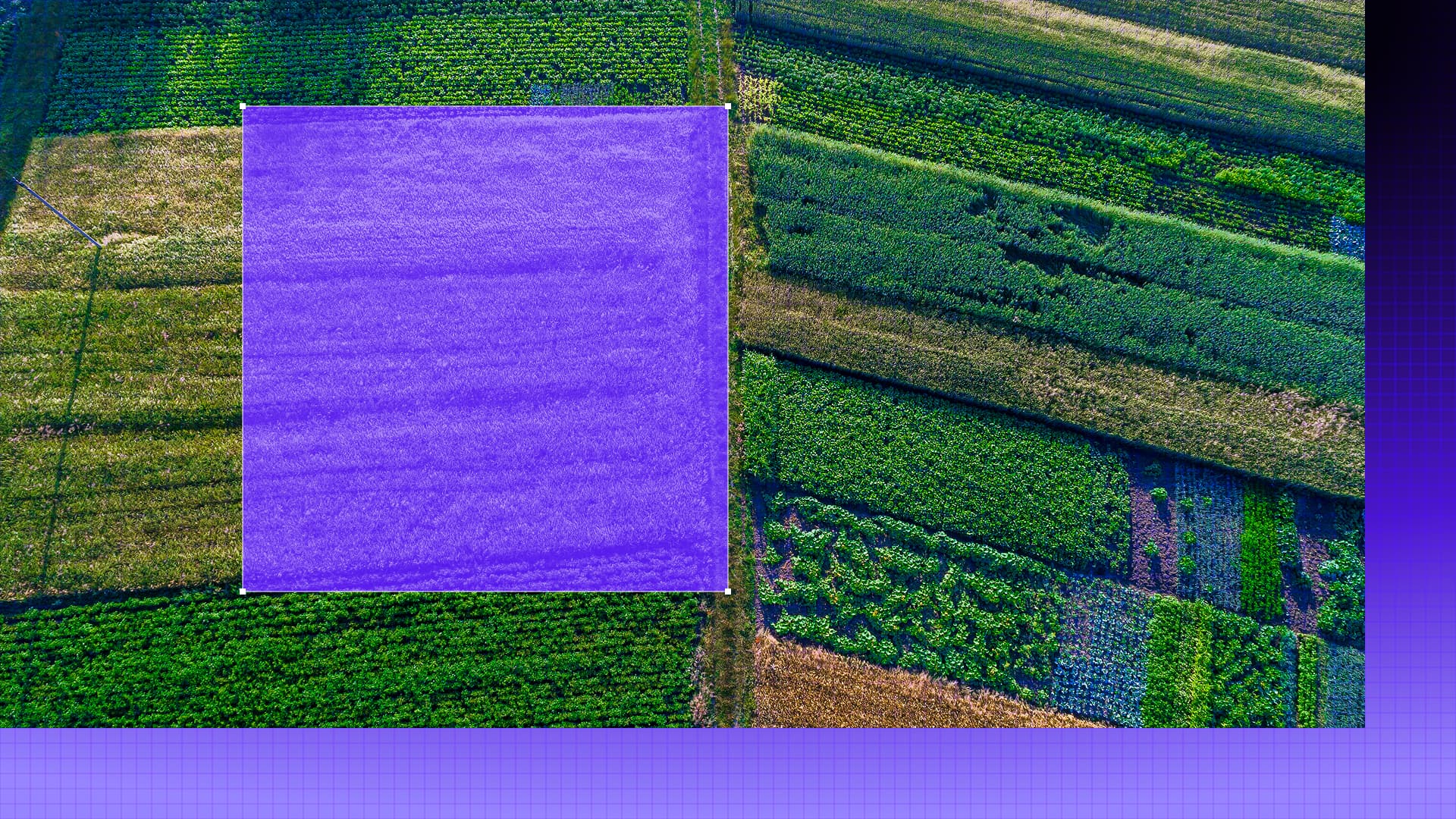
The gap between prototype and field remains a persistent challenge in robotics and autonomous systems. Many systems perform well in controlled demos or lab environments, yet fail when exposed to real-world variability, integration constraints, and operational edge cases. This transition is often where projects stall, not due to fundamental flaws in autonomy, but due to insufficient validation rigor. By progressively increasing environmental fidelity - rather than jumping directly from prototype to field, teams can isolate issues earlier, shorten iteration cycles, and build confidence grounded in evidence. This structured approach reduces reliance on ad-hoc field testing and enables more predictable scaling from experimental autonomy to operational missions.
What this reinforced for us
Attending ROSCon 2025 reinforced several principles we care deeply about as mission builders:
- Early mission clarity reduces downstream complexity
- Validation loops matter before real-world deployment
- Integration effort, not algorithms, dominates early timelines
- Open ecosystems succeed when workflows - not just components - are addressed
These are not new ideas, but seeing them echoed across the global ROS community was grounding.
Summary
ROSCon 2025 felt less like a celebration of breakthroughs and more like a collective alignment around reality. The community appears to be converging on a shared understanding: building autonomous systems is no longer about isolated innovation. It is about making missions work, repeatedly, under constraints.
For us, attending ROSCon was a reminder that progress in autonomy will come not from solving everything at once, but from reducing friction at each step between idea, execution, and deployment.
If you attended ROSCon 2025, we’d be interested to hear what resonated most from your perspective.