A drone operations management platform becomes essential when a UAV program stops being a sequence of isolated flights and starts becoming a cross-team operation. In small deployments, one pilot or one field engineer can often hold the workflow together through memory, judgment, and direct visibility. At scale, that operating model starts to break. Missions now move across planners, operators, supervisors, and post-flight reviewers, and each handoff creates new room for drift. That is why operations management matters. It is the layer that keeps the mission aligned after planning is complete and before inconsistency becomes normal.
The value of a drone operations management platform is not only that it shows what aircraft are doing. The deeper value is that it connects planning, field activity, telemetry review, and post-mission coordination into one operational system. SkyTrack’s platform page is especially relevant here because its Fleet Management layer includes device status and location, health monitoring, a secure telemetry viewer, and automated alerts, while the homepage frames Fleet Management as operating with safety and compliance under a centralized hub. Those are the kinds of capabilities cross-team UAV operations need once mission execution is no longer a one-person problem.
Why ops alignment gets harder as UAV programs grow
Planning does not guarantee aligned execution
A mission can be well planned and still become operationally weak once it reaches the field. One team may interpret launch readiness differently, another may handle anomalies with a different threshold, and a third may adjust timing in ways that slowly separate execution from the original mission logic. None of this necessarily looks dramatic in the moment. The aircraft may still fly successfully. The problem is that the operation becomes less consistent every time the workflow depends on local interpretation rather than shared operational structure. That is exactly the gap a drone operations management platform is meant to close.
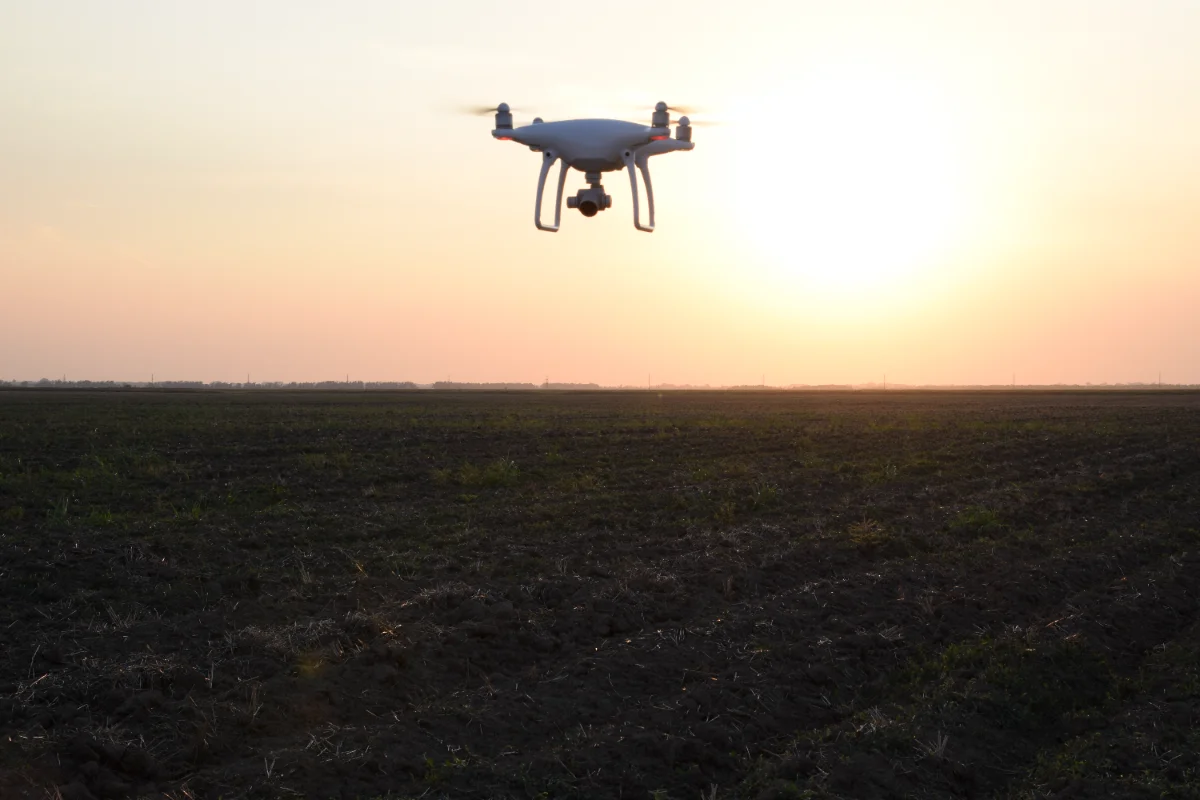
This is also why UAV fleet operations software should be evaluated as more than a control surface. The software has to carry mission context forward after planning, so operators, field engineers, and reviewers are still working from the same operational picture. Without that continuity, planning and execution become two different systems joined only by hope and habit.
Cross-team execution exposes weak operating models quickly
The more people involved in execution, the more expensive ambiguity becomes. If planners, field teams, and operations leads do not share a stable understanding of the mission state, then small differences in decision-making begin to accumulate. This is where programs start to feel active without being truly aligned. A mission might be launched on schedule and still be operationally off-track because nobody has a unified view of readiness, execution quality, and what counts as an exception. That is why mission alignment must be built into the software layer, not left entirely to meetings and memory.
SkyTrack’s public platform structure is helpful here because it suggests a connected flow rather than isolated tools. Mission Studio covers mission creation, Device Onboarding covers aircraft setup and readiness, and Fleet Management covers live operational oversight. That architecture is a strong fit for teams that need cross-functional alignment instead of just another flight dashboard.
What a drone operations management platform should actually connect
It should connect planning to active field workshops (TAB)
A useful drone operations management platform should keep active field work connected to the mission logic created earlier. That means the live operation should still reflect what the mission was designed to do, what phase it is in, and how changes in the field affect the broader workflow. If operators must mentally reconstruct all of that context during execution, then the platform is not carrying enough of the operational burden. Strong systems reduce that reconstruction work by making mission state visible and usable during live activity.
This is why mission operations software matters so much in growing UAV programs. It is the layer where mission scheduling, active execution, monitoring, and intervention remain connected. SkyTrack’s platform page supports this view through features like dynamic device location, real-time health monitoring, secure telemetry viewing, and automated alerts, all inside the same fleet layer. That is exactly the kind of structure teams need when live operations involve more than one aircraft and more than one responsible person.
It should connect telemetry review to mission understanding
Telemetry review is only operationally useful when it tells the team something meaningful about the mission, not just the aircraft. Battery, GPS, motor load, and temperature matter, but they matter most when operators can interpret them in mission context. Is the deviation local or systemic? Does the anomaly affect mission completion or only one subsystem? Does this require intervention now or later review? These are operations questions, not just data questions. A strong drone operations management platform should help the team answer them with less guesswork.
SkyTrack’s public platform page is especially relevant here because its Fleet Management feature set already includes real-time health monitoring, secure telemetry viewing, and automated alerts for health and security anomalies. Those capabilities point toward an operations model where telemetry is meant to support decisions, not only post-flight reporting. For cross-team operations, that distinction is critical because the cost of delayed interpretation grows quickly when missions are recurring and distributed.
It should connect post-mission review back into the operating system
Post-mission coordination is where many UAV programs quietly lose value. The mission finishes, data exists, anomalies were noticed, and lessons were learned, but too little of that learning returns to the workflow in a structured way. A good drone operations management platform should make post-mission review part of the same operational system rather than a disconnected afterthought. That way, repeated missions improve over time instead of accumulating the same small friction points again and again.
This is where a mission-first product has an advantage. If planning, onboarding, live oversight, and telemetry already live close together, then operational learning has a better chance of flowing back into the mission system. That is consistent with how SkyTrack publicly positions itself: as a platform for developing, managing, and scaling repeatable mission-based applications across environments rather than only as a flight utility.
Why alignment matters more than raw activity
More flights do not automatically mean better operations
A UAV program can increase activity while decreasing alignment. Missions may run on schedule, aircraft may stay healthy, and dashboards may look active, yet the underlying workflow may be drifting across teams. One crew interprets readiness one way, another handles alerts differently, and another documents post-mission issues inconsistently. Over time, that drift makes the operation harder to trust even if it still appears busy. A mature drone operations management platform helps prevent that by keeping execution standards and review practices closer to the same mission system.
That is also why drone fleet management software and UAV fleet operations software are not enough on their own unless they support mission alignment. Visibility into devices is valuable, but alignment across planning, field activity, and telemetry review is what turns activity into an operational capability. SkyTrack’s centralized-fleet framing supports that outcome because the fleet layer is explicitly presented as part of a broader platform rather than as a standalone monitor.
Alignment is what makes autonomy operationally trustworthy
As more mission behavior becomes automated, alignment matters even more. Autonomous fleet operations are only dependable when the team can still understand what the mission is doing, what counts as an exception, and how intervention should work. A fleet can be highly automated and still operationally weak if its workflows are not aligned across the people responsible for planning, execution, and review. That is why operations software should support trust, not just throughput.
This is one reason SkyTrack’s public language around safety, compliance, telemetry, and centralized management is meaningful. It shows that the platform is not only about letting missions run. It is also about creating enough structure that teams can govern those missions at scale.
How SkyTrack fits this operations-management layer
The platform already spans the key operational handoffs
SkyTrack publicly describes itself as an open platform for developing, managing, and scaling autonomous mission-based applications. Its homepage and platform page show a product structure that spans mission design, device onboarding, and live fleet oversight. That is directly relevant to a drone operations management platform category because the hardest part of ops alignment is usually the handoff between those stages. If those handoffs happen inside one connected system, teams have a better chance of keeping planning, execution, telemetry, and follow-up work aligned.
SkyTrack’s pricing model also reinforces this maturity path. The Builder plan is framed for growing teams and serious projects, while the Scale plan is positioned for commercialized and mission-critical operations with enterprise-grade support and dedicated engineering support. That progression reflects the same reality this category needs to address: operations management becomes more valuable as UAV programs move from builder velocity into organizational responsibility.
Open Mission Studio and run a mission end-to-end at SkyTrack platform.
FAQs
What is a drone operations management platform?
A drone operations management platform is software that helps teams align mission planning, field activity, telemetry review, and post-mission coordination across active UAV operations. Its value is not only in controlling aircraft, but in keeping the broader operation coherent as more teams and more repeated missions are involved.
How is this different from drone fleet management software?
Drone fleet management software often focuses on aircraft visibility and status. A drone operations management platform goes further by connecting live field execution, telemetry interpretation, mission context, and post-mission coordination into one operating layer. That makes it more useful for cross-team execution and repeatable field work.
Why does mission operations software matter here?
Mission operations software matters because it sits between planning and live control. It helps teams preserve mission context while scheduling, executing, monitoring, and intervening across active operations. Without that layer, cross-team execution tends to fragment into local interpretations and delayed reactions.
What role does fleet telemetry management play in operations alignment?
Fleet telemetry management helps teams interpret whether missions are staying healthy and aligned while they are active. It becomes especially valuable when telemetry is tied to mission understanding rather than only device reporting, which is why features like health monitoring, secure telemetry viewing, and automated alerts are so important in operational platforms.
Why do autonomous fleet operations still need strong ops alignment?
Autonomous fleet operations still need alignment because autonomy does not remove the need for planning, oversight, review, and intervention. If those layers are weak, automation can scale inconsistency faster than teams can correct it. Ops alignment is what makes autonomy operationally sustainable.
A drone operations management platform matters because successful UAV programs are not held together by planning alone or by live control alone. They are held together by alignment across planning, field activity, telemetry review, and post-mission coordination. Strong drone fleet management software, better mission operations software, more dependable autonomous fleet operations, more useful UAV fleet operations software, and stronger fleet telemetry management all contribute to the same outcome: one operational system instead of several loosely connected workflows. That is what keeps ops aligned when the mission count, aircraft count, and team count all begin to grow.